

Stories from Mountain Treks Across Different Regions
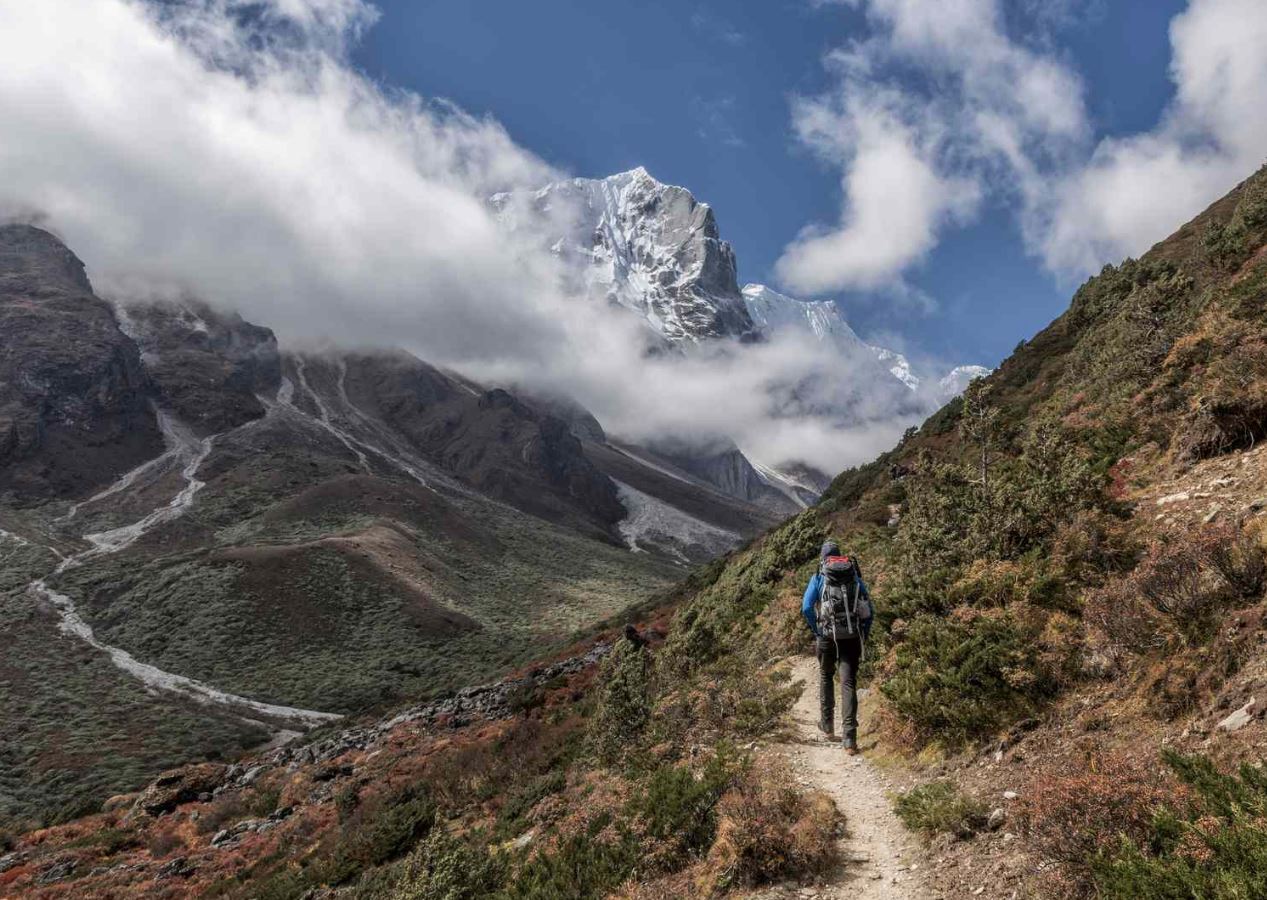
Experiences from Trails That Test Endurance and Inspire Respect
The Start of the Climb
Every mountain journey begins long before the first step. Preparation is part of the adventure, from packing gear to studying the terrain. The anticipation builds as the plan turns into reality, and the weight of the backpack reminds you that every item matters. Once the trail begins, the familiar noise of daily life fades into a steady rhythm of footsteps and breathing. The first stretch is always deceptive, a mix of excitement and uncertainty. The forest canopy filters sunlight, and streams cut across the path with crisp, cold water. It is during these early hours that you realize trekking is as much about mental focus as physical strength. The climb demands patience, pacing, and humility. Every turn hides a new view, and each view pulls you deeper into the experience. The higher you go, the quieter the world becomes, and the journey starts to feel less like movement through space and more like a shift in awareness. You begin to see how vast and alive the mountains truly are.
Days on the Trail in Nepal
The Himalayas have always represented both challenge and beauty. Trekking through Nepal’s mountain routes, such as the Annapurna Circuit, reveals the human side of these towering peaks. The trails pass through villages where prayer flags flutter in the wind, and the smell of wood smoke mixes with the scent of cooked rice. Each village feels like a different world, shaped by its altitude and isolation. Porters move gracefully with heavy loads, and their endurance humbles even the most experienced climbers. The altitude begins to test your stamina as you reach higher passes. Breathing becomes deliberate, every inhale sharp and thin. Yet, when the sun sets behind snow-covered ridges, the view erases the strain. Nights are spent in teahouses where conversations with other trekkers often revolve around weather, altitude, and stories of resilience. In these moments, you learn that mountain trekking is not about conquering the peak, but about adapting to its rhythm and respecting the people who live within it every day.
The Andes and the Echo of Ancient Paths
In South America, the Andes stretch across thousands of kilometers, forming one of the longest mountain chains on earth. Trekking here means walking on history. The Inca Trail leading to Machu Picchu is one of the most famous routes, yet beyond it lies an entire network of trails that predate modern maps. Hiking through these regions introduces travelers to highland villages where people still farm potatoes and corn as their ancestors did. The elevation is intense, often above four thousand meters, but the scenery rewards every effort. Snow-capped peaks rise over green valleys, and ancient stone terraces line the mountainsides. At night, the air grows cold and clear, revealing constellations that guided travelers long before modern navigation. The Andes remind trekkers that exploration is not new, it is a continuation of a tradition that connects past and present. The journey challenges your endurance while grounding you in the understanding that these paths belong to cultures who have lived with the mountains for centuries.
A Trek Through the Canadian Rockies
The Canadian Rockies offer a different kind of wilderness. The terrain feels both vast and intimate, with dense forests, glacial lakes, and rugged peaks forming a landscape that changes constantly. Trails like the Skyline in Jasper or the Iceline in Yoho National Park test balance and stamina but reward persistence with unmatched beauty. Along the route, you cross alpine meadows dotted with wildflowers, pass through valleys carved by ancient ice, and spot wildlife like elk or mountain goats in their natural habitat. The weather shifts quickly, bringing moments of sunlight followed by cold rain or fog. Trekking here teaches adaptability and self-reliance. You learn to read the sky, to prepare for changes before they arrive. Evenings often end beside a campfire, where the sound of wind through pine trees replaces conversation. In the Rockies, solitude is a gift, and the stillness becomes a companion. The sense of accomplishment after a long day on these trails stays long after the boots come off.
Crossing the Alps on Foot
The European Alps attract travelers for their accessibility and beauty, yet walking across them reveals more than scenic views. Routes such as the Tour du Mont Blanc weave through France, Italy, and Switzerland, offering a mix of cultures in a single journey. Each region has its own flavor, literally and figuratively. One day you might eat cheese and bread in a small French village, and the next, sip espresso overlooking Italian valleys. The paths wind through forests, open pastures, and high passes that require both fitness and patience. Mountain huts along the way provide shelter and camaraderie, creating a community of hikers who share meals, maps, and advice. The Alps show that trekking is not only about isolation but also about shared experience. You move through landscapes shaped by centuries of human presence while still feeling completely immersed in nature. Reaching the final valley brings a sense of closure mixed with surprise at how fast the days have passed, each one filled with effort and reward.
Life Above the Clouds in Africa
Mount Kilimanjaro and Mount Kenya are two of Africa’s iconic climbs, each offering different challenges and views. Trekking Kilimanjaro’s routes, like Machame or Lemosho, means starting in tropical forest and ending above the clouds on barren volcanic rock. The temperature drops drastically as you ascend, and every layer of clothing tells a story of adaptation. The trek is physically demanding, especially near the summit where oxygen levels are low and every step feels heavy. Yet reaching the top at sunrise brings an overwhelming sense of perspective. You realize how fragile yet strong the human body can be. In Kenya, the terrain is steeper but more varied, with highland vegetation and rugged cliffs that host unique wildlife. The local guides play a crucial role in these climbs, offering both technical help and cultural knowledge. Their respect for the mountain reminds trekkers that these are sacred places, not simply destinations for achievement. Climbing here is both physical and emotional, a lesson in endurance and gratitude.
The Lesser-Known Ranges Worth Exploring
Not all mountain treks take place in famous ranges. Some of the most rewarding journeys occur in places that remain under the radar. The Rwenzori Mountains in Uganda, known as the Mountains of the Moon, are filled with glaciers and lush vegetation rarely seen by outsiders. In Kyrgyzstan, the Tien Shan range offers endless trails across alpine pastures where nomadic herders live in yurts. The mountains of Georgia’s Svaneti region combine medieval towers with stunning views, and the trails here lead through fields of wildflowers to remote villages. These regions require adaptability and respect for local customs, as infrastructure is minimal and conditions unpredictable. Trekking in lesser-known areas gives travelers a chance to experience mountains without crowds. The reward is authenticity, a connection not only to the land but also to the people who sustain their lives within it. Every step taken on these quiet trails reinforces the idea that exploration still exists, even in a world where most paths are already mapped.
Preparing the Mind for the Descent
The journey down a mountain can be as challenging as the climb itself. After days of ascent, the descent tests balance, concentration, and patience. Muscles ache in new ways, and the body begins to crave rest. Yet this part of the trek also provides time for reflection. As the altitude decreases and oxygen returns, so does perspective. You begin to understand how the mountain has changed you. Every climb leaves a mark, a mix of exhaustion, accomplishment, and humility. Returning to lower ground feels strange at first because the world below moves faster. The sound of vehicles replaces wind, and the horizon narrows again. But something remains different inside. Trekking teaches that progress is not measured in meters climbed but in awareness gained. The descent is a reminder that adventure is temporary, but its lessons are lasting. It closes one chapter and prepares you for the next, wherever that may lead.
The Lasting Memory of the Mountain
When the trek ends and the backpack is unpacked, the memories remain vivid. The sound of gravel under boots, the taste of cold water from a mountain stream, and the sight of sunlight breaking over distant peaks become part of your internal landscape. Mountains have a way of reshaping priorities. They remind travelers that simplicity is strength and that persistence often outlasts doubt. Every climb, whether in the Andes, the Alps, or the Himalayas, carries its own story of challenge and reward. The real value of trekking lies not in reaching the top but in the moments along the way, those quiet pauses where you catch your breath and realize you are part of something far greater than yourself. Long after the journey ends, the mountain remains with you, not as a destination on a map, but as a memory of balance between effort and peace. For those who walk among peaks, the experience never truly ends; it becomes part of who they are.