

Traveling Through Local Cuisine and Culture
How Local Cuisine Tells the Story of a Place
The Meaning Behind Every Meal
Food is the most universal way to connect with a culture. It reveals history, geography, and the rhythm of everyday life in ways that words cannot. When travelers take the time to eat what locals eat and understand how it is prepared, they gain a window into the community’s identity. Every meal carries a memory of struggle, celebration, or adaptation. The ingredients tell stories of trade routes and seasons, and the flavors reflect both survival and creativity. Whether it is a humble bowl of noodles on a street corner or a family recipe cooked in a small village kitchen, food captures the spirit of place. Traveling for local cuisine is not about chasing fancy restaurants but about finding authenticity where people cook for one another rather than for tourists. Sitting at a table with locals transforms travel into participation instead of observation. It is through these shared meals that strangers become acquaintances and cultures become tangible.
Breakfast in the Streets of Hanoi
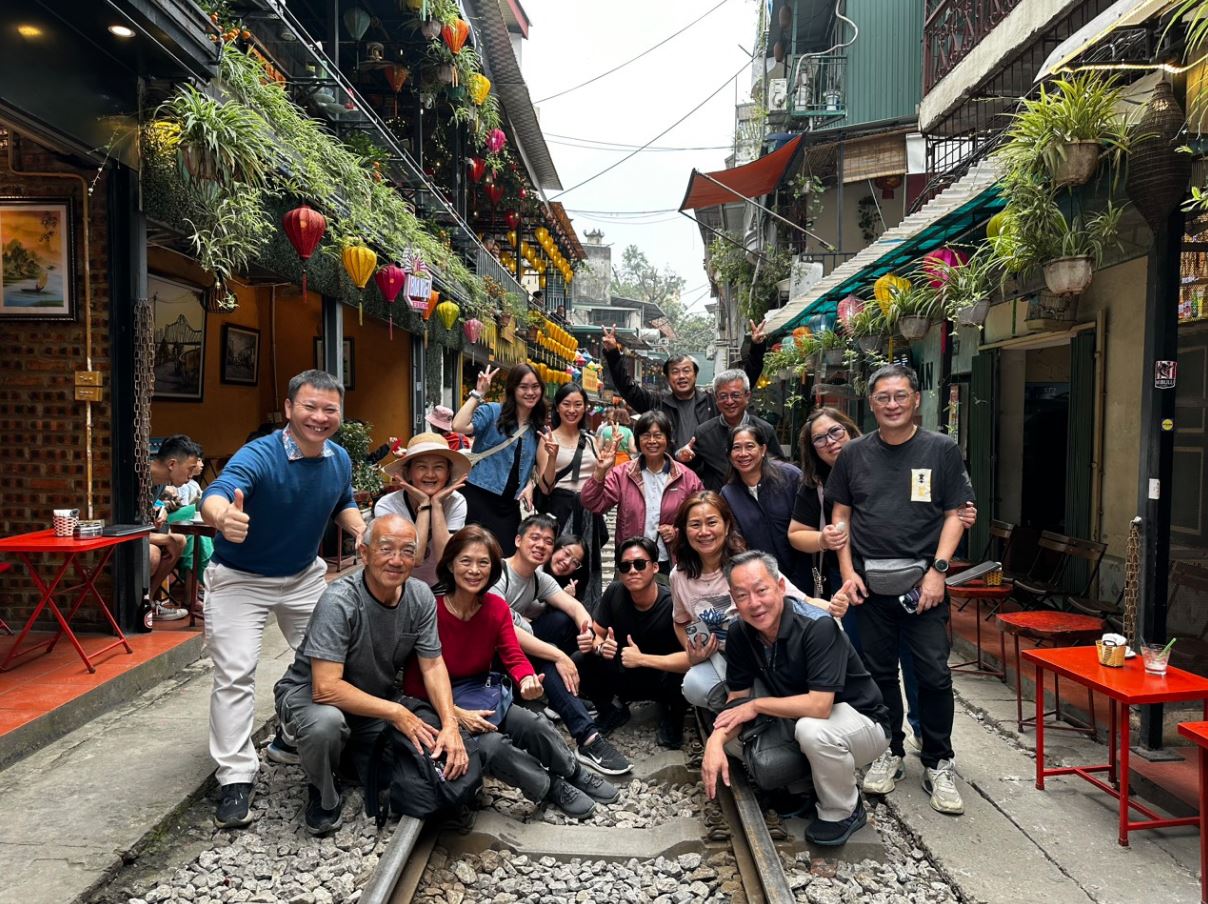
In Vietnam, mornings begin with the aroma of broth simmering on sidewalks. Small stools line the streets where vendors ladle steaming pho into bowls for workers heading to their day. The first spoonful carries layers of history: French influence in the use of beef, Chinese inspiration in the noodles, and distinctly Vietnamese freshness from lime, basil, and chili. Eating pho in a restaurant is one thing, but eating it among locals in the cool dawn light feels different. The conversation is brief, but the connection is real. The broth is a language of its own, communicating patience and care. Street food in Hanoi thrives because it belongs to everyone, from office workers to students. Each bowl might look the same, but every cook adds a personal touch that reflects family traditions. It is this variety within familiarity that makes Hanoi’s food scene unforgettable. Breakfast here is not just a meal; it is a daily ceremony of balance between flavor and simplicity.
The Heart of Italian Home Cooking
Italy’s culinary charm is not found in luxury dining but in family kitchens where recipes are treated as heirlooms. In small towns across Tuscany and Emilia-Romagna, grandmothers roll out pasta dough with practiced hands, measuring ingredients by feel rather than scale. Travelers who join cooking classes or dine with local families experience what Italians call cucina di casa, meaning home-style cooking. Dishes like tagliatelle al ragù or ribollita may sound simple, but each bite carries centuries of refinement. Olive oil from the family’s grove, tomatoes sun-dried on the windowsill, and bread baked that morning come together without fuss or excess. Eating in these homes reminds visitors that food in Italy is about sharing, not showing. It celebrates seasonality and respect for the land. The meal is rarely rushed. Conversations stretch between courses, wine flows steadily, and laughter fills the gaps. By the time the meal ends, strangers feel like relatives, and the table becomes a stage for connection rather than consumption.
Markets That Feed More Than Hunger
Every culture has a market that defines its relationship with food. Walking through a market is like walking through the heartbeat of a city. In Morocco’s medinas, the smell of cumin, mint, and roasted almonds leads travelers through narrow alleys alive with negotiation. In Mexico, markets burst with color from peppers, fruits, and textiles. Each stall represents a small world of taste and craftsmanship. Shopping in these markets teaches travelers about the social structure of food. You learn which ingredients are valued, how people greet each other, and what they consider fresh or worthy of pride. Buying directly from farmers or vendors transforms an exchange into a relationship. The vendor often offers samples or cooking advice, bridging the gap between stranger and guest. These markets do more than provide food, they sustain community life, keeping traditional agriculture and trade alive in an increasingly industrial world. The experience of buying from them makes you part of a tradition that values people over profit.
Spices That Define Identity
In every region of the world, spices form the backbone of cultural flavor. They are more than seasonings; they are a map of human movement. The spice trade shaped continents and created connections long before modern globalization. In India, a pinch of turmeric or cumin can transform a dish into a statement of heritage. In Ethiopia, berbere spice defines the national palette with its mix of chili, garlic, and fenugreek. Each combination tells a story of adaptation and influence. For travelers, tasting food prepared with native spices offers an intimate understanding of how flavor becomes identity. Visiting spice markets in places like Zanzibar or Istanbul reveals how deeply these ingredients are tied to daily life. Vendors proudly describe the origins of their blends, often passing knowledge from parent to child. When you cook with those spices back home, you carry a piece of that history with you. It becomes more than a souvenir; it becomes a bridge to the place you once explored.
Coastal Villages and the Taste of the Sea
In many fishing villages, the day’s catch determines what will be eaten, sold, or traded. Traveling through small harbors in Greece, Japan, or the Philippines reveals how essential the ocean is to local identity. The fishermen return before sunrise, their boats heavy with mackerel, octopus, or sardines. The air smells of salt and wood. Locals gather around the docks, choosing their fish for the day’s meal. In seaside taverns, chefs cook simply, grilled, steamed, or marinated in vinegar. The emphasis is always on freshness rather than complexity. Eating fish this way reconnects travelers to the idea of seasonality and gratitude. You understand that taste is not only about ingredients but also about timing and place. The same fish caught hours later or cooked miles away would never taste as alive. These meals reflect an honest relationship with nature, one that values balance and restraint. The experience teaches that the most memorable food is rarely extravagant; it is sincere and grounded in reality.
Festivals That Celebrate Flavor
Local food festivals bring people together in ways that transcend language and background. In Spain, La Tomatina turns a small town into a sea of red as thousands gather to throw tomatoes, celebrating abundance and laughter. In Thailand, the Vegetarian Festival fills streets with stalls serving plant-based dishes and vibrant yellow flags. These events showcase how food unites people through shared joy. Travelers who participate in them see culture in motion rather than as a static display. The preparation, the music, and the community effort make the event more meaningful than the food itself. Festivals also serve as a reminder that traditions endure through celebration, not just preservation. Every dish prepared during these gatherings is a symbol of resilience and pride. For visitors, joining a local festival is one of the most authentic ways to feel part of a community, even if only for a day. It transforms travel from observation into celebration, leaving behind memories filled with taste and laughter.
Cooking with Locals Around the World
One of the most rewarding ways to experience local cuisine is by learning to cook alongside residents. Cooking workshops and homestays have become popular among travelers seeking authenticity. In Thailand, families invite visitors to harvest herbs from their gardens before showing them how to prepare curry paste. In Mexico, cooks demonstrate the art of pressing tortillas by hand. In Morocco, families teach travelers how to make tagine using clay pots over open flame. These experiences go beyond recipes; they teach patience, respect, and adaptation. You learn that measurements are less important than intuition and that mistakes are part of the process. Cooking together breaks barriers and replaces formal hospitality with genuine exchange. You leave not just with new techniques, but with an understanding of how deeply food shapes community life. These shared lessons linger long after the trip ends, reminding you that true connection begins with the willingness to get your hands messy and your heart open.
The Lasting Memory of a Shared Table
When people look back on their travels, they rarely remember the souvenirs they bought, but they always remember the meals they shared. Local food journeys are more than culinary exploration; they are acts of participation in another culture’s daily rhythm. Sitting at a table with locals dissolves barriers and creates moments of genuine exchange. You learn that hospitality is universal, that taste is a form of storytelling, and that generosity needs no translation. Every destination has its flavor, and every flavor has its lesson. Whether it is bread baked in a clay oven, stew cooked over fire, or fruit picked fresh from a tree, food brings the world closer together. Traveling through local cuisine reveals that culture is not something you observe from afar, it is something you taste, share, and carry forward. Each bite is a reminder that we all belong to the same story, told differently across kitchens but united by the same simple truth: to eat is to connect.